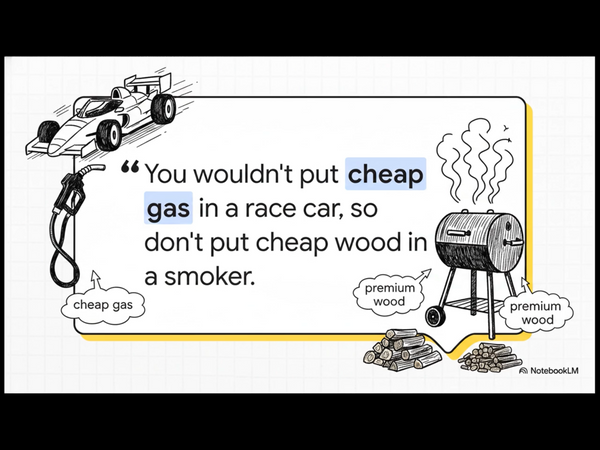

Smokers come in two fundamentally different formats: built-in models that integrate into your outdoor kitchen, and free-standing units that stand alone on your patio or deck. If you're trying to decide between these two approaches, you're probably confused—and rightfully so. They're selling to two very different visions of backyard cooking. Understanding the differences helps clarify which one actually fits your situation.

Built-In Smokers: Part of Your Outdoor Kitchen
A built-in smoker is designed to be permanently installed as part of a custom outdoor kitchen or BBQ island. Think Memphis Pro, Coyote, or high-end Primo models made specifically for drop-in installation. These smokers integrate seamlessly with grills, side burners, and other kitchen components in a unified cooking space.
Why Choose Built-In?
Design Integration is the big advantage here. Built-in smokers are designed with specific dimensions, finishes, and features that match coordinating equipment. Everything looks intentional and cohesive—not like you grabbed random pieces from different stores and slapped them together on your patio.
Space Efficiency matters too. Built-in smokers fit into the counter footprint of your outdoor kitchen rather than consuming additional square footage. Your island does double or triple duty: grilling, smoking, and side cooking all in one organized zone.
Permanent Setup means no moving parts. You install the smoker once and stop thinking about it. Utilities—gas, electrical, or water if you're adding a sink—are already planned and installed as part of the kitchen build.
Professional Appearance adds value to your home. Built-in setups look expensive and thoughtfully designed. Potential buyers recognize quality when they see a cohesive outdoor kitchen, and that translates to property value.
The Trade-Offs
Built-in smokers cost significantly more—often $3,000 to $8,000+ for the smoker alone, plus the cost of surrounding kitchen construction. You're not just buying a smoking chamber; you're buying design integration, custom framing, and professional installation.
Flexibility decreases. You've committed to that specific location and that specific smoker. Relocating is expensive and destructive to your patio. If you want to upgrade five years from now, removing and replacing a built-in smoker is a major project.
Selection is more limited. Fewer manufacturers make true built-in smokers compared to free-standing options. Your choices are premium brands designed for integration, not the full range of options available in the free-standing market.

Free-Standing Smokers: Flexibility and Tradition
Free-standing smokers are self-contained units that sit independently on your patio, deck, or yard. Think offset barrel smokers like the Yoder 640S, traditional ceramic Kamado grills, pellet smokers on trailers, or competition-style rigs. These are the smokers that come to mind when most people picture a backyard smoking setup.
Why Choose Free-Standing?
Lower Cost is obvious. Free-standing smokers range from $500 to $5,000+, but many excellent options fall in the $1,500 to $3,000 range. You get a quality smoking chamber at a fraction of built-in pricing.
Flexibility is huge. You can place a free-standing smoker anywhere your patio can support it. Change your mind about location? Move it. Want to take it to a friend's house for a cookout? Load it up. Need to upgrade or try a different model? Sell the old one and grab a new one without demolishing your patio.
Variety is Incredible in the free-standing market. Offset smokers, pellet smokers, ceramic grills, barrel smokers, competition rigs—the options are endless. We stock models from Camp Chef, Green Mountain, Memphis, TMG Pits, Yoder, and more. You can choose based on smoking style, fuel type, cooking surface, and personal preference.
Aesthetic Appeal shouldn't be underestimated. A beautiful offset smoker or ceramic Kamado grill is genuinely attractive. These are the pieces that make your backyard look like you're serious about cooking. They stand out visually in a way that fits traditional BBQ culture.
No Permanent Commitment to your patio. You're not tying your smoking setup to a specific location or tied to the rest of your outdoor kitchen. If your needs change—or your interests shift toward grilling instead of smoking—you have complete flexibility.
The Trade-Offs
Free-standing smokers take up dedicated space. That 640S offset smoker on your patio is using square footage that could be a dining table or seating area. If your outdoor space is limited, that matters.
They look less integrated with the rest of your outdoor cooking setup. If you have a custom built-in grill in your kitchen island and then plop a free-standing smoker next to it, they don't necessarily talk to each other visually. Some people like the eclectic mix; others prefer everything matching.
Weather exposure is more direct. A free-standing smoker sits exposed to Arizona sun, heat, wind, and occasional rain. You'll need a cover for extended protection, and periodic maintenance is non-negotiable. Your grates will develop patina, handles will wear, and rust becomes a consideration depending on the material.
Typical Smoking Setups Compared
Custom Outdoor Kitchen with Built-In Smoker
You've invested in a full outdoor kitchen build. The built-in smoker is one component alongside a gas grill, side burner, and storage. You're cooking entire meals outdoors—smoking the brisket while searing vegetables on the side burner and grilling sides on the gas grill. Everything is within arm's reach, utilities are managed, and the space looks intentional and polished.
Traditional BBQ Setup with Free-Standing Smoker
You have a patio with a standalone grill in one spot and a beautiful offset smoker or Kamado in another. Maybe there's a simple table for prep work. The focus is on smoking tradition—low and slow, tending the fire, that whole ritual. When you're smoking, you're focused on that one task. It's less about cooking an integrated meal and more about the craft of smoking.
Fuel Types and Flavor Differences
The smoking chamber itself—built-in or free-standing—is only part of the equation. What you burn inside it dramatically affects both the cooking experience and the final product.
Built-In Smokers and Fuel
Most built-in smokers are designed around specific fuel systems. A Memphis Pro built-in typically runs on natural gas or propane piped directly from your home's utility infrastructure. This means consistent, reliable temperature control with minimal fiddling. No running out of fuel mid-cook, no messy ash cleanup, no restocking charcoal.
The trade-off? Flavor purists argue that gas-fired smoking doesn't produce the same depth of smoke flavor as wood-fired or charcoal methods. Gas burns clean and hot, which is great for temperature consistency but less interesting for traditional BBQ flavor development. You're not getting that raw wood smoke interaction that creates some of the more complex tastes.
Some high-end built-in models add wood pellet boxes or smoke generators to introduce real wood smoke into a gas-fired chamber. This hybrid approach gives you gas convenience with some smoke flavor complexity.
Free-Standing Smokers and Fuel Variety
Free-standing smokers give you complete fuel flexibility. An offset barrel smoker like the Yoder 640S burns wood or charcoal—you're tending an actual fire, managing airflow, and engaging with the cooking process in a hands-on way. This produces authentic smoke flavor but requires skill and attention.
Ceramic Kamado-style grills (like Primo models) can smoke with charcoal, wood, or a combination. The thick ceramic walls retain heat incredibly efficiently, meaning lower fuel consumption and more consistent temperatures.
Pellet smokers offer a middle ground: they run on wood pellets fed by an electric auger, giving you wood smoke flavor with temperature control approaching gas-fired precision. Many are portable and easy to set up anywhere on your property.
This variety is a major advantage of free-standing. You can choose the exact fuel method that matches your smoking philosophy—whether that's traditional wood fire ritual or convenient pellet automation.
Flavor Profile Comparison
Gas-Fired Built-In: Clean, consistent heat. Subtle smoke flavor (unless enhanced with pellet boxes). Better for precision cooking than deep smoke flavor. Fast preheat, stable temperatures.
Charcoal/Wood-Fired Free-Standing: Deep, complex smoke flavor. More variable temperatures requiring skill to manage. Authentic BBQ taste. Requires active tending but produces distinctive results.
Pellet Free-Standing: Good smoke flavor from wood pellets. Consistent temperature control. Lower maintenance than charcoal/wood. Convenient refill system. Less smoke intensity than traditional wood fire.
The honest truth: if authentic, deep smoke flavor is your priority, a free-standing charcoal or wood-burning smoker gives you more options to achieve that. Built-in gas smokers prioritize convenience and consistency over complex smoke character. That's a genuine trade-off.
How to Decide: Key Questions
How important is authentic smoke flavor?
Want that deep, complex wood smoke taste? Free-standing charcoal or wood-burning gets you there. Prefer convenience over smoke intensity? Gas-fired built-in is fine. Pellet smokers split the difference.
Are you committed to hands-on smoking or prefer automation?
Love the ritual of tending a fire and managing smoke? Offset smoker or ceramic grill. Want to set temperature and forget about it? Gas built-in or electric pellet smoker. This affects both fuel choice and equipment type.
How much space do you have?
Limited space favors built-in—it doesn't consume additional square footage. Plenty of space? Free-standing gives you flexibility and variety.
What's your smoking commitment level?
If smoking is your passion and you cook seriously, a free-standing smoker lets you choose the specific style that matches how you smoke. If smoking is one component of varied outdoor cooking, built-in integration makes sense.
How important is the aesthetic?
Love the look of a gorgeous offset smoker or Kamado? Free-standing wins. Want everything to match and look cohesive? Built-in integration creates that polished look.
What's your budget?
Built-in smokers as part of a complete kitchen are expensive projects. Free-standing smokers offer quality options at lower price points if that's your constraint.
Are you planning to stay in this home long-term?
Planning to stay 10+ years? A built-in kitchen with integrated smoker adds home value. Moving in 3-5 years? A free-standing smoker is a personal asset you can take with you.
What We Recommend
We sell plenty of both, and we've seen customers happy with either choice. Here's what we typically recommend based on what we hear:
Go built-in if: You're already planning a custom outdoor kitchen, you have the budget for integration, and you want everything matching and polished. You prioritize convenience and consistent temperatures over traditional smoke flavor complexity. Gas-fired smoking suits your style. You're committing to your current home for a long time and want to add property value.
Go free-standing if: You want maximum flexibility, a lower entry price point, and the ability to upgrade or change without a major undertaking. You're passionate about authentic smoke flavor and willing to engage with the cooking process actively. You want to choose the exact fuel method (charcoal, wood, pellets) that matches your smoking philosophy. You have decent outdoor space and love the traditional BBQ look. You value the option to move your smoker or take it to events.
Fuel-Specific Consideration: If you're committed to wood-burning or charcoal smoking, free-standing is really your only choice. Built-in smokers simply aren't designed around these fuel methods. If you want authentic smoke flavor with minimal effort, consider a free-standing pellet smoker—it gives you wood smoke taste with hands-off convenience.
We've Got Both
Whether you're building a complete outdoor kitchen or just adding a quality free-standing smoker to your patio, we can help. We carry built-in components from Memphis, Coyote, and other premium brands for integrated kitchens. We also stock a full range of free-standing smokers from brands like Yoder, Camp Chef, Green Mountain Grills, TMG Pits, and more.
Visit our Phoenix showroom to see both options in person. Our team can walk you through the differences specific to your space, cooking style, and goals. Whether you're smoking brisket for two people or feeding a crowd, we'll help you choose the right approach.